Tuesday, 1st May 2012
Chitra Madhavan
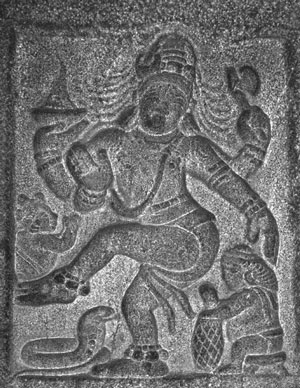
Sculptures of Nataraja of the Chola period in stone and in metal are often seen in temples and museums. In fact, the image of this deity has come to be associated mostly with the Cholas as Nataraja was their family deity. Not many are aware that such images of the preceding Pallava era are found in some of their temples. There are a few Nataraja bronzes of this period as well.
Among the best known are those adorning the walls of the famous eighth century Kailasanatha temple in Kanchipuram. Much older than these is a stone sculpture of Nataraja in a cave temple in Siyamangalam, a village approximately 80 kilometres from Chennai, in Thellar taluk, Tiruvanna-malai district. Dating back to the seventh century AD and belonging to the reign of Mahendravarman I Pallava (c. 600-630 AD), this cave has an inscription which mentions the original name of this Siva temple as Avanibhajana Pallaveswaram. Incidentally, Avanibhajana was one of the titles of Mahendravarman I. Today, this cave shrine, enlarged over the centuries, is called the Sthambheswara or Tunandar temple.
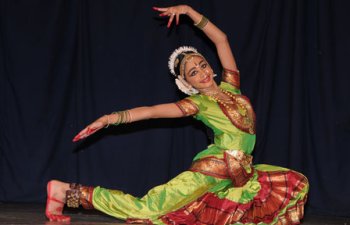
Sowmya Kumaran, Director of Chicago based Nrithya Sangeeth, decided to conduct the Bharatanatyam arangetram of her 13-year-old daughter/disciple Bhavya Kumaran in her hometown Chennai on July 9 to involve family, close friends and relatives in the arangetram and seek their blessings.
Read More